Bear-Trax
  • Home
  • About
    • The Bear-Trax Experience
    • About Us
    • Vision
    • Core Values
  • Camo Pattern Guide
  • Shop
    • Military Surplus
    • Apparel >
      • 9 Mile T-Shirts
      • Hats
      • Gloves
      • Hoodies
      • Shirts
      • Shorts
      • Jackets
      • Vests
      • Pants
    • $10 & Under
    • Books
    • Footwear >
      • Shoes & Boots
    • Survival >
      • Ghillie Suits
      • Holsters and Slings
      • Camping & Survival
      • Packs and Bags
  • Bear-Trax Field Notes
  • Makin' Trax
  • Browse All Items
  • Size Conversion Charts
  • Tanning Deer Hides
  • Digital Downloads
Bear-Trax European Military Surplus Sizing GuideEuropean Military Sizing — Without the Guesswork
​
Military Surplus sizing can look confusing at first.
You may see labels such as:

180/104
80/88/104
96M
Gr. 8
48
44/76

Don't let the numbers scare you.
The most important thing to remember is:
Military sizes were designed to fit bodies—not to match American S, M, L and XL labels.
Once you understand what the numbers represent, European military sizing becomes much easier.
Start Here: Measure Yourself FirstBefore looking at any military size label, take four basic measurements.
1. HeightStand normally without shoes and measure from the floor to the top of your head.
2. ChestWrap a measuring tape around the fullest part of your chest, keeping the tape level.
Don't pull it tight.
3. WaistMeasure around the point where you normally wear your pants.
For military trousers, this may be different from the waist measurement on modern jeans.
4. InseamMeasure from the crotch down the inside of the leg to where you want the trouser leg to end.
Inches to CentimetersMost European military sizing uses centimeters (cm).
Use this simple conversion:
Inches × 2.54 = centimeters
Examples:
Inches/Centimeters: 30"=76 cm
32"= 81 cm
34"
= 86 cm
36"
= 91 cm
38"
= 97 cm
40"
= 102 cm
42"
= 107 cm
44"
= 112 cm
46"
= 117 cm
48"
= 122 cmTo go the other direction:
Centimeters ÷ 2.54 = inches

🇬🇧 British Military SizingBritish military clothing is one of the easiest systems to understand once you know what the numbers mean.
British Jackets, Smocks and ShirtsA label might read:
180/104Think:
180 = HEIGHT
104 = CHEST

Both measurements are in centimeters.
So a 180/104 garment was intended approximately for someone around:
180 cm tall = about 5'11"
104 cm chest = about 41"
Easy Bear-Trax RuleBritish Jacket: Height / Chest
Another example:
190/112190 cm height = about 6'3"
112 cm chest = about 44"
So this is approximately a tall person with a 44" chest.
Common British ExamplesBritish SizeApprox. HeightApprox. Chest170/885'7"35"
170/9 
= 65'7"38"
180/96 
= 5'11"38"
180/104 
= 5'11"41"
180/112 
= 5'11"44"
190/104 
= 6'3"41"
190/112 
= 6'3"44"
190/120 
= 6'3"47"
Important: These are body-size references, not necessarily the actual measurements of the garment.
Military jackets and smocks may contain additional room for movement, uniforms or layering.

🇬🇧 British Military TrousersBritish trousers may use three numbers.
For example:
80/88/104These commonly represent:
80 = Inside leg
88 = Waist
104 = Seat/Hip

Again, these are centimeters.
Converted approximately:
80 cm inside leg = 31.5"
88 cm waist = 34.6"
104 cm seat = 40.9"
Easy Bear-Trax RuleBritish trousers: Leg / Waist / Seat
So don't mistake the first number for the waist.

🇫🇷 French Military SizingFrench military clothing uses another fairly understandable system.
You may see:
88C
96M
104L

The number generally relates to chest size, while the letter identifies the garment's length category.
A commonly used French military surplus convention is:
C = Short
M = Regular/Medium length
L = Long

For example:
96MThink:
96 = approximately 96 cm / 38" chest
M = regular length
So 96M is roughly a Medium-Regular in many French military garments.
Likewise:
104C = 41" chest / Short
104M
 = 41" chest / Regular
112M
 = 44" chest / Regular
Current French CCE surplus charts illustrate this system with 96C, 96M and 96L all retaining approximately the same chest designation while changing garment length.
Quick French ReferenceFrench Size Approx. Chest Length 88L 34.5" Long
96C38"Short
96M38"Regular
96L38"Long
104C41"Short
104M41"Regular
112M44"Regular
120M47"Regular
Important: French sizing varies by garment and era. Use the individual product measurements whenever Bear-Trax provides them.

🇩🇪 German Bundeswehr SizingGerman Bundeswehr sizing looks intimidating because you may encounter numbers such as:
Gr. 3
Gr. 8
Gr. 14

But there is a system behind them.
The Bundeswehr system combines body height with body circumference.
A commonly used Bundeswehr grouping is:
ShortSizes 1–5
Approximately 165–175 cm tall.
RegularSizes 6–11
Approximately 175–185 cm tall.
LongSizes 12–16
Approximately 185–195 cm tall.
Extra LongSizes 17–20
Approximately 195–205 cm tall.
Within each height group, increasing size numbers generally accommodate increasing chest and waist measurements. Current Bundeswehr sizing references show, for example, regular size 6 around a 90 cm chest, size 8 around 100 cm, and size 10 around 110 cm.
ExampleBundeswehr Gr. 8Regular height group:
Height: approximately 175–185 cm / 5'9"–6'1"
Chest: approximately 100 cm / 39"
Waist: approximately 90 cm / 35"
That makes much more sense than trying to memorize that "8 means Large."
Bear-Trax TipWith Bundeswehr clothing, find your height group first, then find the chest or waist measurement within that group.
Don't choose solely from an S/M/L conversion.

🇨🇭 Swiss Military SizingSwiss surplus presents another good example of why actual measurements matter.
Some Swiss garments use conventional European numbers such as:
48, 52, 56, 62
Other Swiss military trousers may carry combinations such as:
44/76
For Swiss M70/M83 Alpenflage trousers, for example, the first number can correspond to the size/waist grouping while the second corresponds to the inseam/length grouping. One current surplus chart lists 44/76 for approximately an 88 cm waist and 76 cm inseam.
Swiss Alpenflage jackets are also frequently converted by surplus sellers into approximate modern sizes, but those conversions aren't a substitute for garment measurements. Current M83 charts, for example, show EU sizes such as 48, 52 and 56 alongside actual pit-to-pit, shoulder, sleeve and length measurements.
Bear-Trax Rule for Swiss SurplusDon't rely on the number alone. Check the product's actual measurements whenever possible.

What Does EU Size 48, 50, 52, etc. Mean?You may encounter European civilian-style sizes on military or surplus clothing:
46, 48, 50, 52, 54, 56...
These correspond roughly to increasing body dimensions, but they should not be treated as universal military sizes.
For example, a modern German men's chart places:
48: approximately 94–97 cm chest
50: approximately 98–101 cm chest
52: approximately 102–105 cm chest
54: approximately 106–109 cm chest

But height, cut and the particular military garment still matter.
That's why Bear-Trax recommends measurements over simply saying:
"52 = Large."

Body Measurement vs. Garment MeasurementThis is probably the most important part of this guide.
There are two different kinds of measurements:
BODY MEASUREMENTThe military size label may describe the person the garment was intended to fit.
Example:
104 cm chest
does not necessarily mean the jacket measures 104 cm around.
The jacket itself needs additional room.
GARMENT MEASUREMENTThis is the measurement of the actual jacket or trousers.
For jackets, one of the most useful measurements is:
Pit-to-pit
Lay the jacket flat and measure straight across from one armpit to the other.
A jacket measuring:
23" pit-to-pit
has approximately:
46" of total chest circumference
before considering fabric thickness and construction.

The Best Way to Buy Surplus OnlineHere's the method we recommend.
Step 1 — Find a garment you already own that fits well.Don't start with your favorite size label.
Start with something that actually fits you.
Step 2 — Lay it flat.Button or zip it normally and smooth it out without stretching it.
Step 3 — Measure it.For a jacket:
A. Pit-to-pit
B. Shoulder-to-shoulder
C. Sleeve
D. Back length

For trousers:
A. Waist
B. Inseam
C. Rise
D. Hip/seat when useful

Step 4 — Compare those measurements with the Bear-Trax listing.This is far more reliable than saying:
"I normally wear XL, so I'll order XL."

Why Your Normal Size Isn't EnoughYou might wear:
Large in one brand
XL in another
180/104 in British surplus
96M or 104M in French surplus
a numbered Bundeswehr size in German surplus
…and all of them might fit.
That doesn't mean the sizing systems are wrong.
They're simply describing clothing differently.

Remember These Four RulesRULE #1MEASURE — DON'T GUESS.Your favorite jacket is a better reference than the letter L on its tag.
RULE #2MILITARY LABEL ≠ ACTUAL GARMENT MEASUREMENTA 104 cm body-chest designation doesn't mean the jacket itself measures 104 cm around.
RULE #3COUNTRY MATTERSBritish, German, French and Swiss military sizing systems are different.
Never assume numbers mean the same thing between countries.
RULE #4WHEN AVAILABLE, TRUST ACTUAL GARMENT MEASUREMENTS FIRSTSurplus clothing may have been manufactured decades ago. Different contracts, manufacturers, eras, laundering, wear and intended layering can affect fit.

Bear-Trax Quick DecoderWhen you encounter a strange military size, start here:
Label Looks Like Probably Start By Checking180/104 British-style height/chest
80/88/104 British-style trouser leg/waist/seat
96M French chest + regular length
96C French chest + short length
96L French chest + long length
Gr. 1–5 Bundeswehr short height group
Gr. 6–11Bundeswehr regular height group
Gr. 12–16 Bundeswehr long height group
48 / 52 / 56Check country-specific EU sizing + garment measurements
44/76Could be Swiss trouser waist/length system—check the item's chart

Still Not Sure?That's normal.
Military clothing was designed for military supply systems—not modern online shopping carts.
If you're considering an item from Bear-Trax and aren't sure what the original military size means, compare the measurements in the listing, with a similar garment you already own that fits well. Or shoot us an email we will be happy to measure exactly what we have so you are sure to get something that fits,
When in doubt, the three pieces of information that help most are:
Your height
Your chest or waist measurement
The measurements of a similar garment that fits you well

Our goal isn't simply to convert a military label into S, M, L or XL.
Our goal is to help you choose the garment that actually fits.
Bear-Trax — Authentic Surplus. Useful Knowledge. Gear With a Story.

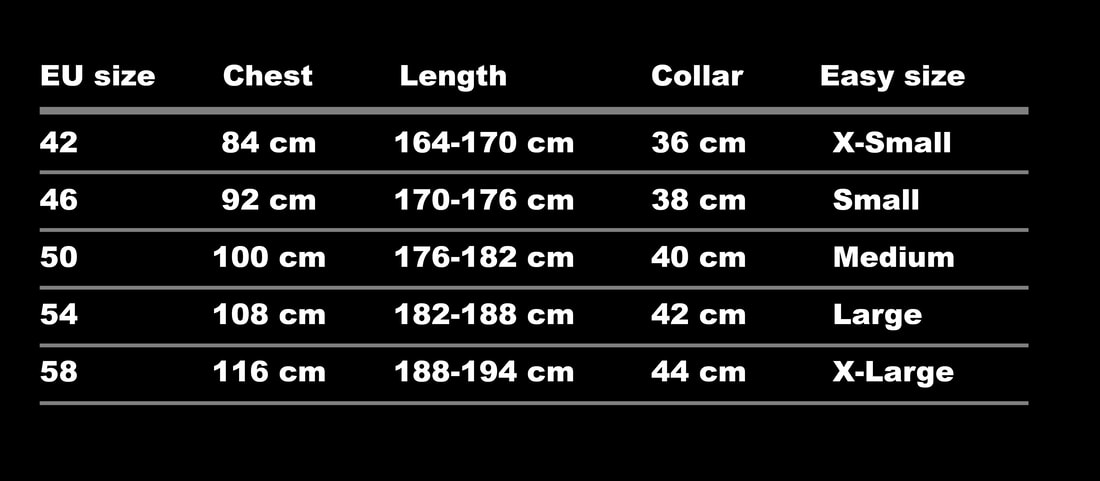
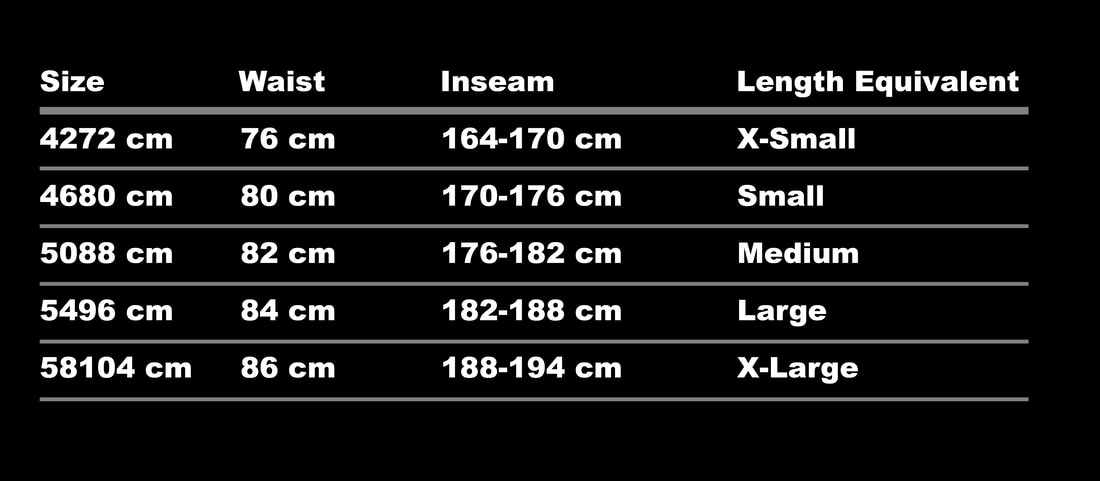
Size Conversion Charts

Jackets

Picture

Trousers

Picture
BearTraxLLC
Military Surplus
Outdoor Gear
Camo Extraordinaire 
Company info
About Us
Vision
Core Values
​Blog
Customer Support
Contact Us
Take a Survey

Additional Pages
Makin' Trax
Small Business Partners
Jerky & More
Size Conversion Charts
Bear-Trax Art
Our Suppliers
Videos
Camo Patterns
​Books
​Digital Downloads
© COPYRIGHT 2015. ALL RIGHTS RESERVED.
  • Home
  • About
    • The Bear-Trax Experience
    • About Us
    • Vision
    • Core Values
  • Camo Pattern Guide
  • Shop
    • Military Surplus
    • Apparel >
      • 9 Mile T-Shirts
      • Hats
      • Gloves
      • Hoodies
      • Shirts
      • Shorts
      • Jackets
      • Vests
      • Pants
    • $10 & Under
    • Books
    • Footwear >
      • Shoes & Boots
    • Survival >
      • Ghillie Suits
      • Holsters and Slings
      • Camping & Survival
      • Packs and Bags
  • Bear-Trax Field Notes
  • Makin' Trax
  • Browse All Items
  • Size Conversion Charts
  • Tanning Deer Hides
  • Digital Downloads